Home Window Tinting: Heat, UV, Privacy
By
Jacob
Published
February 7, 2026
Read Time
4 min read
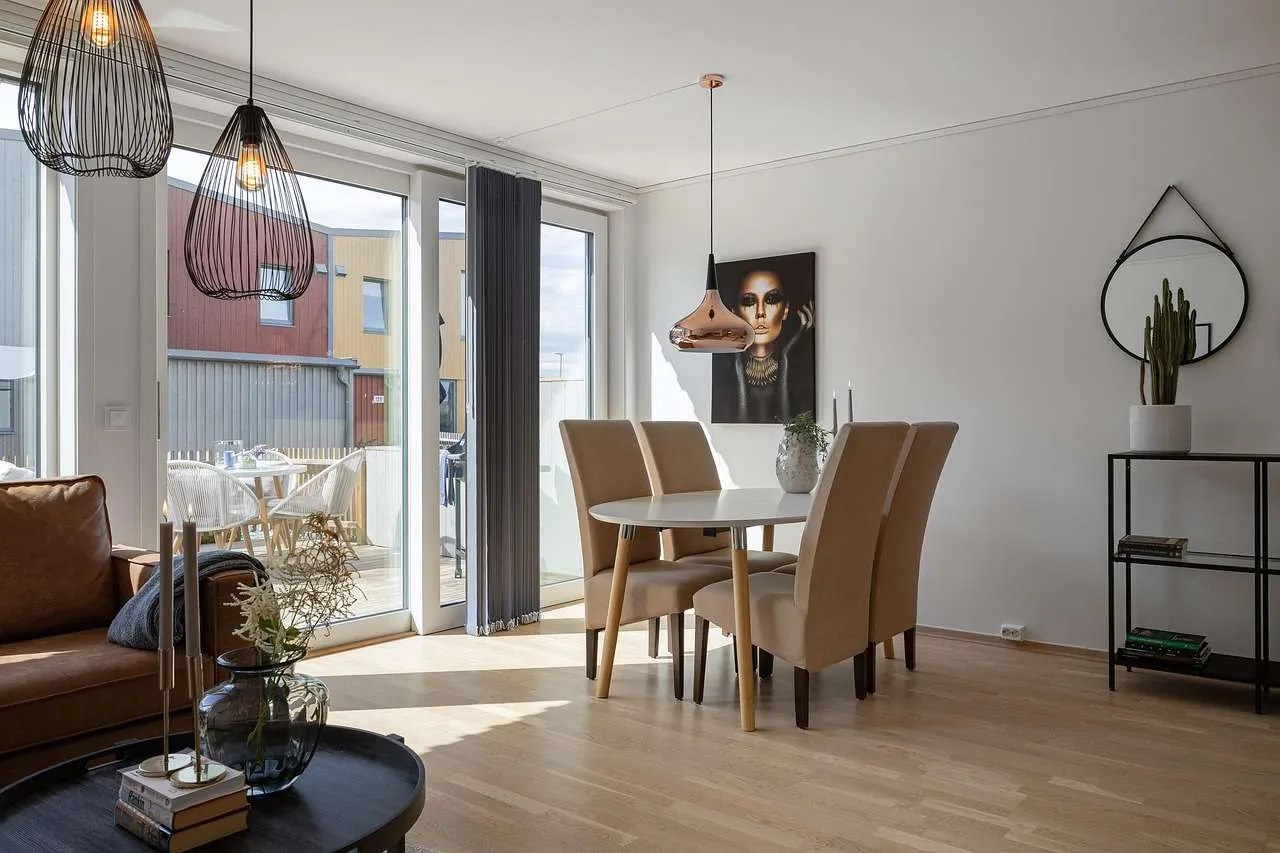
What is home window tinting?
Home window tinting involves applying a thin film to interior or exterior glass to reduce heat gain, block UV rays, control glare, and improve privacy. Residential films come in different shades and compositions, allowing homeowners to balance natural light with comfort. Reputable tint installations are performed by trained technicians who follow safety and warranty guidelines, helping you achieve reliable long term results.
Benefits of home window tinting
Installing window tint offers several practical advantages for homes:
- Energy efficiency: Films reduce heat gain in summer and heat loss in winter, which can lessen demand on cooling and heating systems.
- UV protection: Most films block a large percentage of ultraviolet rays, helping protect flooring, furniture, and occupants from sun damage.
- Glare reduction: Lowering glare improves comfort for work, study, and entertainment while preserving exterior views.
- Privacy and security: Tinted windows restrict visibility from the outside without sacrificing daylight inside.
- Safety and durability: Some films hold shattered glass together during impacts, reducing injury risk and aiding post-breakage security.
How window tinting works
Window films consist of multiple layers designed to reflect or absorb solar energy. Infrared rejecting layers reduce heat transfer, while UV blocking layers prevent ultraviolet rays from penetrating the glass. The visible light transmission (VLT) determines how dark the film appears and how much light passes into the room. Different formulations offer varying performance, color stability, and compatibility with smart home devices and modern insulated panes.
Types of window tint
Dyed window tint
Dyed films are budget friendly and darken interiors nicely. They provide modest heat reduction and glare control but can fade over time and may be less durable than other options. Not ideal for extremely hot climates.
Metalized and dual-reflective tint
Metalized films reflect a portion of solar energy, which can offer strong heat rejection and enhanced privacy. However, they can interfere with radio signals and GPS if the coating is heavy. Professional installation is essential to avoid uneven reflections.
Ceramic and nano-ceramic tint
Ceramic films use nonconductive particles to block heat and UV without affecting signals or light clarity. They remain color-stable, resist fading, and work well in high humidity. Nano-ceramic variants offer the best performance across glare, UV blocking, and long term durability.
Considerations: laws, warranties, and installation
Before choosing a film, check local regulations on permitted tint levels for residential glass. Some regions limit darkness for street-facing windows. Always review the product warranty and installer guarantees. For EEAT, seek a licensed professional with proper training and clear documentation of materials used. A reputable installer will provide a written estimate, film specification, and a maintenance plan.
Maintenance and cost considerations
Maintenance for window tint is简单: clean with a soft cloth and non abrasive cleaner, avoiding ammonia based solutions that can degrade the film over time. Costs vary by film type, shade, window size, and labor, but most homeowners see value through energy savings and interior protection. When budgeting, consider not just the upfront cost but the long term reductions in cooling loads and furniture replacement needs.
Choosing the right installer
To ensure a durable, code compliant result, look for: proof of license or certification, established references, a detailed written quote, a clear warranty, and post installation support. Ask about edge sealing, surface preparation, and whether the films carry anti fog or anti scratch coatings. Confirm how the installer handles irregular glass shapes and door lites, and whether they offer a home visit to measure and advise on shade options.
Comparison at a glance
| Type | Heat Reduction | UV Protection | Glare | Signal Interference | Approx. Cost |
|---|---|---|---|---|---|
| Dyed | Moderate | Good | Moderate | Low | Low to Moderate |
| Metalized | High | Good | Low | Possible interference | Moderate |
| Ceramic | High | Excellent | Low | None | Moderate to High |
| Nano-ceramic | Very High | Excellent | Low | None | High |
Conclusion
Conclusion, home window tinting offers clear benefits in comfort, energy efficiency, UV protection, and privacy. By understanding film types, regulations, and selecting a qualified installer, homeowners can enjoy durable results with confidence in long term performance.